
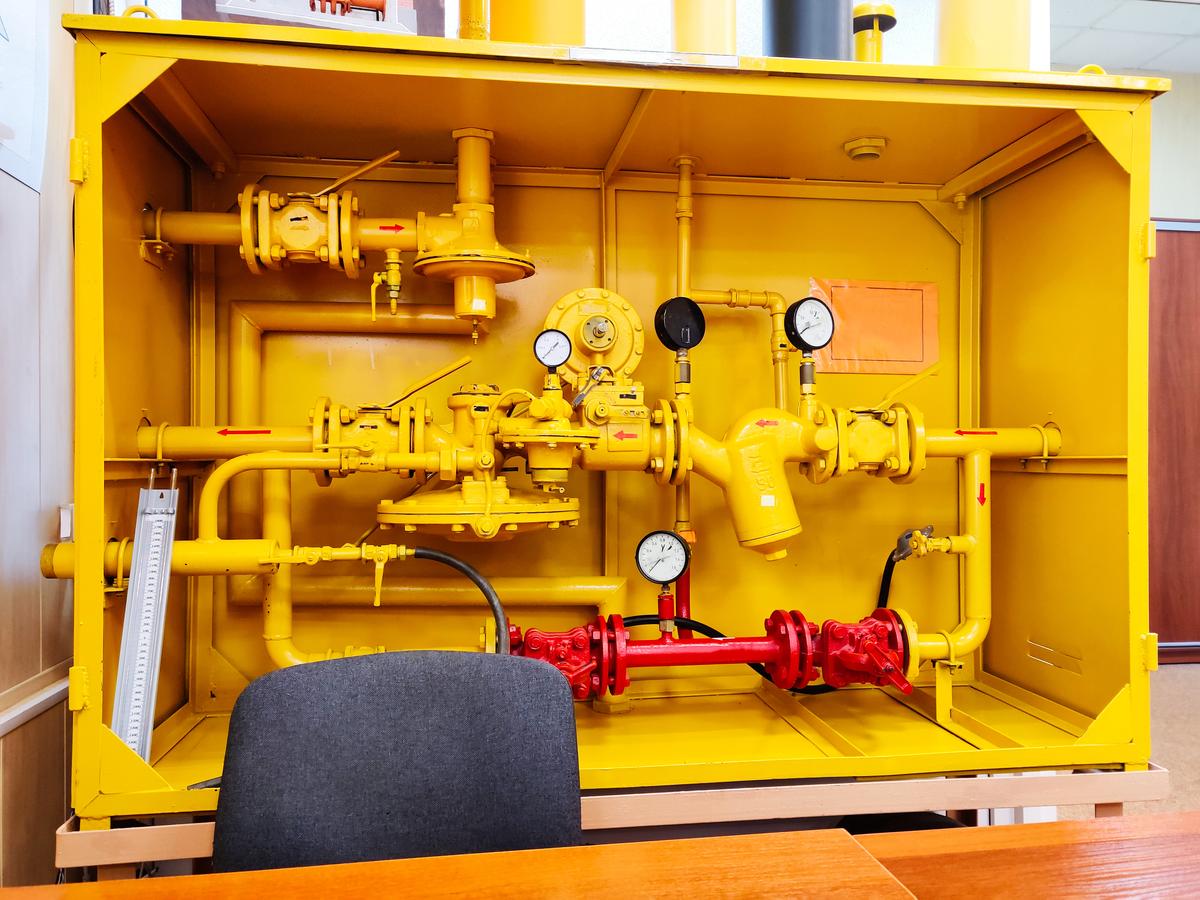
Gas pressure reduction stations, also known as pressure regulator stations, are crucial components of the natural gas distribution infrastructure. They play a vital role in ensuring the safe and efficient delivery of natural gas to end-users. Let’s explore the importance of a gas pressure reduction station and how it works.
What is a Gas Pressure Reducing Station?
A gas pressure reduction or reduction station is designed to control and lower natural gas pressure as it moves through the distribution network. Its primary purpose is to reduce the high-pressure gas received from transmission pipelines to a level suitable for local distribution systems and end-users.
How Does a Pressure Reduction Station Work?
A gas pressure reduction station employs two essential control mechanisms: Inlet and outlet control. The Inlet control valve regulates the incoming high-pressure gas, while the outlet control valve maintains the desired reduced pressure.
The pressure regulation process begins with the gas passing through a filter to remove impurities. It then enters the pressure regulator, which adjusts the flow rate and reduces the pressure to the desired level. The pressure regulator valve modulates based on demand and ensures a constant downstream pressure.
How is Gas Pressure Reduced?
Gas pressure reduction is primarily achieved through the expansion principle. When high-pressure gas passes through an orifice, its pressure decreases as its volume expands. Pressure regulator valves utilize this principle to achieve the desired pressure reduction.
There are two common types of pressure regulator valves: spring-loaded and pilot-operated. Spring-loaded valves use a spring to balance the outlet pressure against an adjustable spring force. In contrast, pilot-operated valves use a pilot system to control the pressure at the outlet.
What is PRS in Natural Gas?
In the natural gas distribution system, PRS (Pressure Reduction Station) serves as a critical link between the high-pressure transmission network and the low-pressure distribution network. It ensures that the pressure is reduced safely and efficiently, making natural gas usable for residential, commercial, and industrial applications.
Pressure reduction stations incorporate safety features, such as relief valves and pressure monitoring instruments, to protect against overpressure conditions. These mechanisms are crucial in preventing accidents and maintaining the integrity of the gas distribution system.
Benefits and Importance of a Gas Pressure Reduction Station
System Efficiency: PRS allows for efficient and controlled distribution of natural gas, optimizing the performance of the entire gas network. By reducing the pressure to an appropriate level, energy losses and leakages are minimized, ensuring that the gas reaches end-users in an efficient manner.
Safety and Reliability: Gas pressure reduction stations play a vital role in maintaining a safe and reliable gas supply. By regulating the pressure, they prevent the occurrence of high-pressure events that could lead to leaks, equipment damage, or potential hazards for both workers and the public.
Flexibility in Distribution: Pressure reduction stations provide the flexibility to accommodate varying demand patterns and load fluctuations. By regulating the pressure according to the specific requirements of the local distribution system, PRS ensures that gas is delivered consistently to consumers, regardless of changes in demand.
Conclusion
Gas pressure reduction stations are integral to the efficient, safe, and reliable distribution of natural gas. By controlling and reducing the pressure of the gas, these stations optimize energy usage, minimize losses, and enhance system performance. The proper operation and maintenance of PRS are essential to ensure a continuous supply of natural gas for various applications, supporting economic growth and the well-being of communities.